Buy siqg.com ?
We are moving the project
siqg.com .
Are you interested in purchasing the domain
siqg.com ?
domain@kv-gmbh.de · 0541-91531010
Buy siqg.com ?
How do you transform an object clause or a subject clause into a dependent clause (subordinate clause)?
To transform an object clause or a subject clause into a dependent clause, you can add a subordinating conjunction at the beginning of the clause. For example, changing "I know that he is coming" (object clause) to "I know when he is coming" (dependent clause). Another way is to remove the subject or object pronoun and change the verb form to make it dependent on the main clause. For instance, changing "She believes she can win" (subject clause) to "She believes she can win" (dependent clause). **
Is an infinitive clause a subordinate clause?
Yes, an infinitive clause is a type of subordinate clause. It functions as a single unit within a sentence and is dependent on the main clause for its meaning. Infinitive clauses typically begin with the word "to" followed by a verb, and they can serve various purposes such as expressing purpose, result, or obligation. **


Similar search terms for Clause
Top-Angebote
Products related to Clause:
-
Daily Deals Depot Santa Clause Peeker Yard Ornament, Christmas Fence Decoration, Indoor Outdoor Holiday Placard, DIY Festival Gift greenBring the festive spirit to life with this Christmas Fence Ornament Santa Clause Peeker Yard Decoration, the perfect way to surprise neighbors and delight guests this holiday season. Designed for indoor and outdoor use, this charming Santa Clause...21,97 $*Shipping: 0,00 $Secure redirect to the provider
-
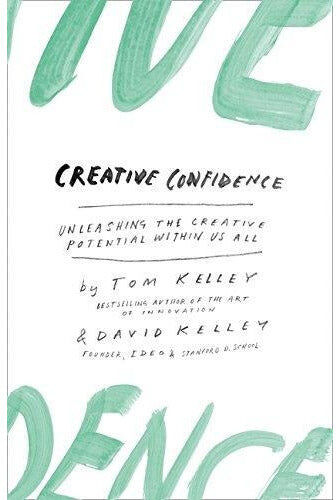
HarperCollins Creative Confidence by David Kelley & Tom Kelley - IDEO Design Thinking Guide - Paperback - Business & Innovation Non Fiction BookDevelop your creative potential with this paperback edition of 'Creative Confidence' by David Kelley. The book, published by HarperCollins, argues that creativity is a skill anyone can build, not a rare gift reserved for a few. Drawing on decades of experience helping companies innovate, the authors share practical tools for turning doubt into confident action. This book sets out to demolish the myth that creativity belongs only to 'creative types' and offers real-world advice for anyone looking to boost their creative skills.4,99 £*Shipping: 2,99 £Secure redirect to the provider
-
Sesderma Reti Age 5 Liposomal Serum Anti-Aging Innovation 30mLA facial serum for wrinkles and signs of ageing. Reduces wrinkles and fine lines. Hydrates and strengthens barrier. Restores youthful radiance. 5-Retinoid System: smooths wrinkles, accelerates renewal, and boosts collagen. Biomimetic Peptides: fill expression lines by stimulating collagen synthesis.40,73 £*Shipping: 5,22 £Secure redirect to the provider
-
Innovation: Fourth Edition Board Game by Asmadi Games for 2-4 PlayersInnovation: Fourth Edition is a strategic card game for 2–4 players. Build a civilization through ideas, inventions, and cultural advances by developing technologies and sharing achievements. Each card can provide different benefits depending on how it's used, creating varied strategies and unexpected shifts throughout the game. This edition includes updated artwork and streamlined rules for the expansions, as well as Age 11 cards for each set and the new expansion, The Unseen, which adds further possibilities to the core experience. With hundreds of cards and numerous combinations, every game can unfold differently.18,59 £*Shipping: 3,95 £Secure redirect to the provider


-
What are main clause-subordinate clause constructions?
Main clause-subordinate clause constructions are sentences that consist of a main clause and one or more subordinate clauses. The main clause is a complete sentence that can stand alone, while the subordinate clause depends on the main clause for its meaning and cannot stand alone. Subordinate clauses often begin with subordinating conjunctions such as "because," "although," "if," or "when," and they provide additional information or context to the main clause. These constructions allow for more complex and nuanced sentence structures, and they are commonly used in both spoken and written language. **
-
Can an adverbial clause also be a subject clause or an object clause?
No, an adverbial clause cannot be a subject clause or an object clause. An adverbial clause functions as an adverb to modify a verb, adjective, or adverb in a sentence. Subject clauses and object clauses, on the other hand, serve as the subject or object of the main clause, respectively. Each type of clause has a specific grammatical function within a sentence. **
-
Is the main clause and subordinate clause correct?
To determine if the main clause and subordinate clause are correct, you need to ensure that they are grammatically sound and that they make sense when combined. The main clause should be able to stand alone as a complete sentence, while the subordinate clause provides additional information but cannot stand alone. Checking for subject-verb agreement and proper punctuation between the two clauses can help confirm their correctness. **
-
How do I recognize a relative clause, a conjunctional clause, and an interrogative clause?
A relative clause typically starts with a relative pronoun (such as who, whom, whose, which, or that) and provides more information about a noun in the main clause. A conjunctional clause, on the other hand, is introduced by a conjunction (such as and, but, or because) and connects two independent clauses. An interrogative clause is a type of clause that asks a question and is typically introduced by an interrogative pronoun (such as who, what, when, where, why, or how) or an interrogative adverb (such as how, when, or where). **
How can I recognize a relative clause, a conjunctional clause, and an interrogative clause?
A relative clause is a type of dependent clause that typically starts with a relative pronoun (such as who, whom, whose, which, or that) and provides additional information about a noun in the main clause. A conjunctional clause, on the other hand, is a dependent clause that functions as an adverb, adjective, or noun in a sentence and is connected to the main clause by a conjunction (such as because, although, if, when, etc.). An interrogative clause is a type of clause that asks a question and typically begins with a question word (such as who, what, where, when, why, or how) or with a helping verb followed by the subject. **
Is the accompanying clause in direct speech a main clause or a subordinate clause?
The accompanying clause in direct speech can be either a main clause or a subordinate clause, depending on its role in the sentence. If the clause is expressing a complete thought and can stand alone as a sentence, then it is a main clause. However, if the clause is dependent on the rest of the sentence for its meaning and cannot stand alone, then it is a subordinate clause. It's important to consider the context and structure of the sentence to determine the role of the accompanying clause in direct speech. **
Top-Angebote
Products related to Clause:
-
ModernMart Christmas Fence Decoration: Santa, Snowman, Reindeer, Penguin Peeker Ornaments For Indoor Outdoor Festivities Color: Santa ClauseChristmas Fence Decoration Santa Clause Snowman Reindeer Penguin Peeker Yard Ornaments Indoor Outdoor Festival Gift Christmas Fence Decoration Santa Clause Snowman Reindeer Penguin Peeker Brand new & high quality Material: PP plastic Color:...20,00 $*Shipping: 0,00 $Secure redirect to the provider
-
Combo Retail Shop Christmas Fence Ornaments, Santa Clause Peeker, Yard Ornaments, Indoor Outdoor, DIY Festival Gift greenBring the magic of the holidays to your home with these charming Christmas Fence Ornaments. Featuring a playful Santa Clause Peeker, these yard decorations are perfect for both indoor and outdoor spaces. Crafted to brighten your garden, lawn, or...44,97 $*Shipping: 0,00 $Secure redirect to the provider
-
Daily Deals Depot Santa Clause Peeker Yard Ornament, Christmas Fence Decoration, Indoor Outdoor Holiday Placard, DIY Festival Gift greenBring the festive spirit to life with this Christmas Fence Ornament Santa Clause Peeker Yard Decoration, the perfect way to surprise neighbors and delight guests this holiday season. Designed for indoor and outdoor use, this charming Santa Clause...21,97 $*Shipping: 0,00 $Secure redirect to the provider
-
HarperCollins Creative Confidence by David Kelley & Tom Kelley - IDEO Design Thinking Guide - Paperback - Business & Innovation Non Fiction BookDevelop your creative potential with this paperback edition of 'Creative Confidence' by David Kelley. The book, published by HarperCollins, argues that creativity is a skill anyone can build, not a rare gift reserved for a few. Drawing on decades of experience helping companies innovate, the authors share practical tools for turning doubt into confident action. This book sets out to demolish the myth that creativity belongs only to 'creative types' and offers real-world advice for anyone looking to boost their creative skills.4,99 £*Shipping: 2,99 £Secure redirect to the provider
-
How do you transform an object clause or a subject clause into a dependent clause (subordinate clause)?
To transform an object clause or a subject clause into a dependent clause, you can add a subordinating conjunction at the beginning of the clause. For example, changing "I know that he is coming" (object clause) to "I know when he is coming" (dependent clause). Another way is to remove the subject or object pronoun and change the verb form to make it dependent on the main clause. For instance, changing "She believes she can win" (subject clause) to "She believes she can win" (dependent clause). **
-
Is an infinitive clause a subordinate clause?
Yes, an infinitive clause is a type of subordinate clause. It functions as a single unit within a sentence and is dependent on the main clause for its meaning. Infinitive clauses typically begin with the word "to" followed by a verb, and they can serve various purposes such as expressing purpose, result, or obligation. **
-
What are main clause-subordinate clause constructions?
Main clause-subordinate clause constructions are sentences that consist of a main clause and one or more subordinate clauses. The main clause is a complete sentence that can stand alone, while the subordinate clause depends on the main clause for its meaning and cannot stand alone. Subordinate clauses often begin with subordinating conjunctions such as "because," "although," "if," or "when," and they provide additional information or context to the main clause. These constructions allow for more complex and nuanced sentence structures, and they are commonly used in both spoken and written language. **
-
Can an adverbial clause also be a subject clause or an object clause?
No, an adverbial clause cannot be a subject clause or an object clause. An adverbial clause functions as an adverb to modify a verb, adjective, or adverb in a sentence. Subject clauses and object clauses, on the other hand, serve as the subject or object of the main clause, respectively. Each type of clause has a specific grammatical function within a sentence. **
Similar search terms for Clause
-
Sesderma Reti Age 5 Liposomal Serum Anti-Aging Innovation 30mLA facial serum for wrinkles and signs of ageing. Reduces wrinkles and fine lines. Hydrates and strengthens barrier. Restores youthful radiance. 5-Retinoid System: smooths wrinkles, accelerates renewal, and boosts collagen. Biomimetic Peptides: fill expression lines by stimulating collagen synthesis.40,73 £*Shipping: 5,22 £Secure redirect to the provider
-
Innovation: Fourth Edition Board Game by Asmadi Games for 2-4 PlayersInnovation: Fourth Edition is a strategic card game for 2–4 players. Build a civilization through ideas, inventions, and cultural advances by developing technologies and sharing achievements. Each card can provide different benefits depending on how it's used, creating varied strategies and unexpected shifts throughout the game. This edition includes updated artwork and streamlined rules for the expansions, as well as Age 11 cards for each set and the new expansion, The Unseen, which adds further possibilities to the core experience. With hundreds of cards and numerous combinations, every game can unfold differently.18,59 £*Shipping: 3,95 £Secure redirect to the provider
-
HARPERCOLLINS Creative Confidence by Tom & David Kelley – Unleashing Your Creative Potential & Innovation MindsetA powerful and inspiring book from the founders of IDEO, the award-winning design firm, on unleashing the creativity that lies within each and every one of us. Too often, companies and individuals assume that creativity and innovation are the domain of the ‘creative types’. But two of the foremost experts in innovation, design and creativity on the planet show us that each and every one of us is creative. In an entertaining and inspiring narrative that draws on countless stories from their work at IDEO, and with many of the world's top companies and design firms, David and Tom Kelley identify the principles and strategies that will allow us to tap into our creative potential in our work lives, and in our personal lives, allow us to think outside the box in terms of how we approach and solve problems. ‘Creative Confidence’ is a book that will help each of us be more productive and successful in our lives and in our careers.4,95 £*Shipping: 1,99 £Secure redirect to the provider
-
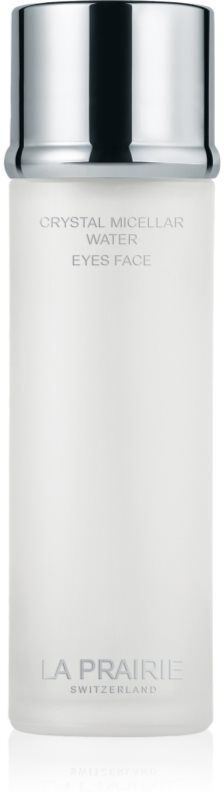
La Prairie Crystal Micellar Water makeup removing micellar water for face and eyes innovation 150 mlLa Prairie Crystal Micellar Water, 150 ml, Micellar Waters for Women, The La PrairieCrystal Micellar Water micellar water is enriched with tiny active particles that bind to any impurities and sebum on contact with the skin. Thanks to these particles, called micelles, this water ensures thorough foundation removal in a few minutes and without the need for pressure or friction on the skin. The micelles are so effective that they can handle even the most stubborn waterproof foundation. Characteristics: cleans pores deeply removes even stubborn makeup keeps skin balanced How to use: Apply enough of the product to a cotton wool pad and wipe gently to remove makeup and clean the skin. Use in the morning and evening or as needed. Shake well before use.125,00 £*Shipping: 3,99 £Secure redirect to the provider
-
Is the main clause and subordinate clause correct?
To determine if the main clause and subordinate clause are correct, you need to ensure that they are grammatically sound and that they make sense when combined. The main clause should be able to stand alone as a complete sentence, while the subordinate clause provides additional information but cannot stand alone. Checking for subject-verb agreement and proper punctuation between the two clauses can help confirm their correctness. **
-
How do I recognize a relative clause, a conjunctional clause, and an interrogative clause?
A relative clause typically starts with a relative pronoun (such as who, whom, whose, which, or that) and provides more information about a noun in the main clause. A conjunctional clause, on the other hand, is introduced by a conjunction (such as and, but, or because) and connects two independent clauses. An interrogative clause is a type of clause that asks a question and is typically introduced by an interrogative pronoun (such as who, what, when, where, why, or how) or an interrogative adverb (such as how, when, or where). **
-
How can I recognize a relative clause, a conjunctional clause, and an interrogative clause?
A relative clause is a type of dependent clause that typically starts with a relative pronoun (such as who, whom, whose, which, or that) and provides additional information about a noun in the main clause. A conjunctional clause, on the other hand, is a dependent clause that functions as an adverb, adjective, or noun in a sentence and is connected to the main clause by a conjunction (such as because, although, if, when, etc.). An interrogative clause is a type of clause that asks a question and typically begins with a question word (such as who, what, where, when, why, or how) or with a helping verb followed by the subject. **
-
Is the accompanying clause in direct speech a main clause or a subordinate clause?
The accompanying clause in direct speech can be either a main clause or a subordinate clause, depending on its role in the sentence. If the clause is expressing a complete thought and can stand alone as a sentence, then it is a main clause. However, if the clause is dependent on the rest of the sentence for its meaning and cannot stand alone, then it is a subordinate clause. It's important to consider the context and structure of the sentence to determine the role of the accompanying clause in direct speech. **
* All prices are inclusive of VAT and, if applicable, plus shipping costs. The offer information is based on the details provided by the respective shop and is updated through automated processes. Real-time updates do not occur, so deviations can occur in individual cases. ** Note: Parts of this content were created by AI.